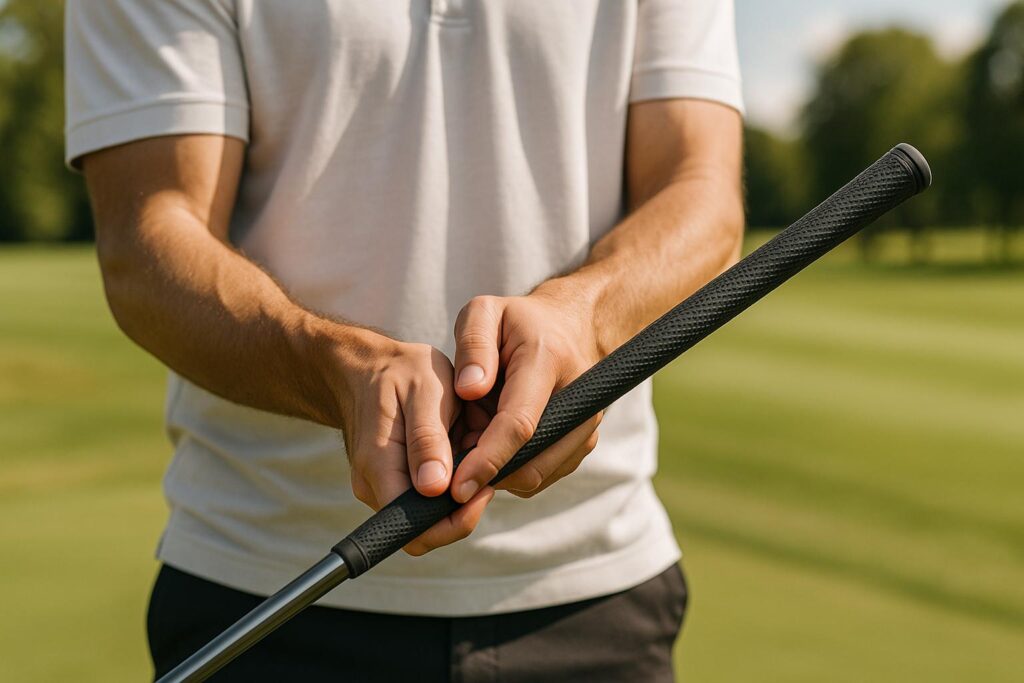
Maintaining your golf grips is crucial for better performance and longer-lasting equipment. Slippery or worn grips can throw off your swing, increase tension in your hands, and lead to inconsistent shots. Here’s what you need to know to keep your grips in top shape:
- Clean regularly: Use warm soapy water and a soft brush to remove dirt, sweat, and oils. Rinse thoroughly and let them air dry. Frequent players should clean weekly, while occasional players can clean every 2–3 months.
- Inspect for wear: Check for slick spots, cracks, or fading. If cleaning doesn’t restore the original feel, it’s time to replace them.
- Store properly: Keep clubs in a cool, dry place to prevent damage from heat and sunlight.
- Replace when needed: Worn grips affect your game. You can regrip at home with a basic kit (~$30 investment) or have it done professionally for a polished result.
Taking care of your grips ensures better control, consistent swings, and a more enjoyable game. Let’s dive deeper into cleaning, maintenance, and replacement tips.
GOLF GRIPS- refresh, revive, replace
Why Golf Grip Care Matters
Your golf grips are more than just a part of your equipment – they’re your only direct connection to your clubs. Their condition plays a crucial role in your performance. Dirty, worn, or slippery grips can throw off even the most practiced swing. Taking care of your grips isn’t just about aesthetics; it’s about maintaining the precision and consistency that can turn a decent round into an exceptional one.
How Grip Condition Affects Your Golf Performance
The condition of your grips can have a direct impact on your swing mechanics, and here’s how:
- Slippery grips, caused by dirt, oils, or sweat, force you to grip the club tighter. This added tension in your arms can stiffen your swing, limiting your natural motion and reducing fluidity.
- Worn grips compromise your ability to control the clubface. Uneven pressure on the club can make it harder to square the clubface at impact, leading to shots that stray off target – even if your swing mechanics are solid.
- Slippery grips can also affect your timing. If you’re worried about the club slipping, it might disrupt your swing rhythm and release, making accurate shots more challenging.
Weather can amplify these problems. Humid conditions or sweaty hands make worn grips even more unreliable, potentially undermining both your swing and your confidence.
Beyond performance, grip care is also essential for protecting your clubs and ensuring they last as long as possible.
Making Your Equipment Last Longer
Taking care of your grips doesn’t just improve your game – it also extends the life of your equipment. According to the Golf Equipment Manufacturers Association, proper maintenance can increase equipment lifespan by up to 250%. For grips specifically, this means extending their life from around 18 months to as long as 4–5 years. Additionally, regular grip care can boost the overall lifespan of your golf gear by an impressive 300–500%.
Cleaning your grips regularly removes dirt, sweat, and oils that not only make them slippery but also break down the materials over time. These contaminants degrade the rubber and synthetic compounds that provide tackiness and durability. Keeping your grips clean ensures they maintain their feel and performance, round after round.
Proper storage is just as important. Avoid exposing your clubs to extreme temperatures or direct sunlight, as these conditions can cause cracks and reduce grip elasticity. Simple steps like storing your clubs in a cool, dry place can go a long way in preserving grip quality.
With well-maintained grips, you can focus on honing your technique and enjoying a more consistent and satisfying golfing experience.
Cleaning Your Golf Grips
Keeping your golf grips clean is key to maintaining consistent performance. Over time, dirt, sweat, and oils can accumulate, making the grips slippery and forcing you to hold them tighter, which may throw off your natural swing. Regular cleaning not only removes these contaminants but also helps your grips feel and perform like new. Here’s how to keep them in top shape.
Step-by-Step Cleaning Guide
Start by filling a bucket or sink with warm water and adding a few drops of dish soap. The warm water helps break down oils and grime more effectively.
Use a soft-bristled brush or an old toothbrush, dip it into the soapy water, and gently scrub the entire surface of the grip. Focus on areas where your hands make the most contact. For corded grips, apply a bit more pressure and brush along the cord pattern to loosen debris, but avoid scrubbing too hard to prevent damaging the fibers.
Once you’ve finished scrubbing, rinse each grip thoroughly with clean water to ensure no soap residue remains. Leftover soap can actually make the grips less tacky. After rinsing, dry each grip with a clean towel and let them air dry completely before storing your clubs.
Different materials may need slight adjustments. Rubber grips, for example, may require extra attention in areas prone to oil buildup, while synthetic grips typically clean up easily with this basic method.
Best Cleaning Products to Use
While dish soap and water work well for regular maintenance, a gentle, nonabrasive cleaner can help tackle tougher grime. Avoid using harsh chemicals like bleach, acetone, or petroleum-based cleaners, as these can degrade the grip material over time. Similarly, skip abrasive tools like steel wool, which can scratch and wear out the grips.
How Often Should You Clean Your Grips?
The frequency of cleaning depends on how often you play:
- Frequent players (several times a week) should clean their grips weekly to prevent buildup and maintain performance.
- Moderate players (a few times a month) should aim for a monthly cleaning schedule.
- Occasional players can clean their grips every two to three months.
Regardless of your playing habits, it’s a good idea to clean your grips immediately after playing in wet, humid, or sweaty conditions. Moisture and dirt can speed up wear and tear.
Clean grips provide better friction, ensure consistent swings, and help prevent the club from twisting in your hands. Spending a few minutes on regular maintenance can make a big difference in both performance and the lifespan of your grips.
Maintaining and Storing Your Grips
Taking care of your grips not only extends their lifespan but also ensures they perform at their best. Regular check-ups are key to spotting any early signs of wear.

Regular Grip Maintenance
Make it a habit to inspect your grips at least once a year for signs of wear, such as fading or slick spots. If you’re an avid golfer who plays daily, consider checking them more often – every six months or even quarterly. Run your hand along the grip to feel for any worn or slippery areas. If cleaning doesn’t bring back their original feel, it’s a strong indication that the material is breaking down and it’s time to replace them. Keeping up with maintenance ensures your grips are ready for proper storage, which we’ll cover next.
sbb-itb-bcd8bdd
When and How to Replace Your Grips
Golf grips don’t last forever. Over time, they wear out, and knowing when to replace them – and how to do it – can impact both your game and your wallet. Here’s what to look for and how to decide between doing it yourself or seeking professional help.
Signs You Need to Replace Your Grips
It’s time for new grips if they start feeling slick or glossy, show visible cracks, splits, or peeling, or if the texture feels worn down. Faded graphics and grips that cause your club to slip or twist during swings are also clear indicators . Another sign? If you’re noticing calluses or blisters on your hands or unusual wear on your gloves, it might mean you’re gripping too tightly to compensate for worn-out grips .
DIY Regripping vs. Professional Services
Once you’ve decided your grips need replacing, you’ll need to choose between doing it yourself or leaving it to the pros. Your choice will depend on your skills, budget, and how much time you’re willing to invest.
Professional regripping guarantees a properly installed grip and consistent performance. Golf shop experts have the tools and experience to ensure everything fits your hands and playing style. They’ll remove the old grips, prep the shaft, and install the new ones with the correct alignment and tension using specialized solvents and tapes. This is ideal if you want precision without the hassle.
On the other hand, DIY regripping can save you money, but it requires some tools and patience. Without the right equipment or technique, you could end up with grips that slip, twist, or wear out faster, potentially causing damage to your clubs. However, if you’re up for the challenge, a basic regripping kit costs about $11.50, and with tools like a hook knife and utility knife, your total investment starts around $30.
Here’s what you’ll need for DIY regripping:
- Hook knife or utility knife
- Vise and rubber shaft clamp
- New grips
- Double-sided grip tape
- Grip solvent
Experts recommend working quickly and confidently:
"As a golfer, you really should know how to change a golf grip. It is not an expensive process, and will save you loads of money in the long run!"
"You absolutely want to get that grip on quickly and aggressively. If you don’t get the grip all the way down and it gets stuck, then you will likely be throwing that grip away."
For beginners, it’s a good idea to order a couple of extra grips in case of mistakes. While there’s a learning curve, mastering this skill can save you a lot of money over time, especially if you play often or own multiple sets of clubs.
Here’s a quick comparison of the two approaches:
| Factor | DIY Regripping | Professional Service |
|---|---|---|
| Cost | ~$30 initial tool investment + grip cost | Labor cost + grip cost |
| Time | About 30–45 minutes per grip (learning curve) | Depends on shop availability |
| Quality | Depends on your skill | Consistent, professional results |
| Convenience | Do it on your schedule | Limited by shop hours |
| Risk | Potential grip waste or club damage | Guaranteed proper installation |
Replacing your grips on time – whether you do it yourself or go to a pro – keeps your clubs performing their best every time you hit the course.
Best Products and Tools for Grip Care
Keeping your golf grips in top shape is all about using the right products and tools. Whether you’re doing routine cleaning or replacing grips entirely, having the proper supplies can save you time and effort.
Top Grip Cleaning Products
To keep your grips clean and functional, you don’t need anything overly complicated. Here are some effective options:
- Multipurpose household cleaners: These are great for removing oils, dirt, and grime without harming rubber or synthetic materials.
- Heavy-duty hand cleaner: Perfect for tackling stubborn residue on older grips.
- Pre-moistened disinfecting wipes: These are a quick and easy way to clean your grips between rounds, removing surface dirt and maintaining hygiene.
- DIY solution: For a budget-friendly option, mix warm water with a few drops of grease-cutting dish soap. Pair this with gentle scrubbing, and you’ve got an effective method for routine cleaning.
Once your grips are clean, you’ll need the right tools to handle regripping when the time comes.
Tools You Need for Regripping
If you’re ready to replace your grips, having the proper tools on hand is essential. Here’s what you’ll need:
- Grip removal knife: Designed to safely cut away old tape and adhesive without damaging the club shaft.
- Double-sided grip tape: This ensures a secure bond between the new grip and the club.
- Grip solvent: Activates the adhesive on the tape, allowing you to position the grip correctly during installation.
- Clamps or shaft protectors: These help safeguard the club shaft while you work.
- Vise or portable alternative: Provides stability by holding the club securely in place.
- Air compressor: A modern alternative to solvents, making grip installation quicker and cleaner.
If you’re new to regripping, consider purchasing a complete regripping kit. These kits come with all the essentials, taking the guesswork out of the process and ensuring compatibility.
Consistent care is the foundation of long-lasting grip performance. Regular cleaning keeps your grips in great condition, and having the right tools makes replacements and repairs much easier when needed.
Resources for Golf Improvement
Taking care of your grip is just one piece of the puzzle when it comes to improving your golf game. While maintaining clean and secure grips ensures your equipment performs reliably, honing your techniques and strategies is equally important to make the most of your gear.
How ‘How To Break 80‘ Can Help

How To Break 80 offers a range of tools and resources designed to help golfers sharpen their skills. Beyond grip maintenance, this platform provides practical advice and training to help you lower your scores and elevate your game.
The Essential Golf Improvement eBook Bundle ($19.00) dives into how proper grip techniques work hand-in-hand with clean grips. Packed with tips, drills, and strategies, this bundle shows you how to fully leverage the benefits of well-maintained grips. With clean and secure grips, you’ll be ready to tackle the exercises and techniques outlined in the book.

If you’re struggling with swing issues tied to your grip, the Fix Your Slice & Hit a Draw Video Course ($99.00) offers step-by-step instructions to address these problems. It highlights the link between grip condition and shot control, reinforcing the importance of keeping your grips in top shape.
Courses like the Maximum Distance Video Course ($49.00) and the Precision Putting Video Course ($49.00) also become more impactful when paired with properly maintained grips. Clean grips provide a consistent feel, allowing you to focus on executing the swing mechanics and putting techniques these courses teach without being distracted by unreliable equipment.
In addition to paid resources, How To Break 80 offers free materials like video masterclasses and blog articles. These cover a variety of golf improvement topics, helping you see how grip care fits into a broader strategy for better performance.
Whether you’re just starting out or refining advanced skills, these resources complement your grip care efforts. By integrating them into your routine, you’ll not only maintain your equipment but also unlock its full potential, leading to improved performance on the course.
Conclusion
Taking care of your golf grips isn’t just about keeping them clean – it’s about maintaining your performance on the course and extending the life of your equipment. A quick weekly cleaning with warm soapy water and a soft brush can work wonders by removing dirt, oils, and debris that interfere with your grip. This small habit improves both the feel and control of your clubs.
Beyond cleaning, regular maintenance and proper storage play a big role in keeping your grips in top shape. Check them often for signs of wear, like smooth spots, cracks, or hardening. Catching these issues early ensures your grips stay reliable.
When grips become worn or slippery, don’t wait to replace them. Fresh grips can restore your natural swing mechanics and improve shot control, whether you choose to regrip your clubs at home or with the help of a professional. Staying on top of grip condition keeps your clubs responsive and ready for every round.
FAQs
How can I tell if my golf grips need replacing instead of just cleaning?
If your golf grips feel worn out, slippery, or lack their usual tackiness, it’s time to replace them. Generally, grips should be swapped out after about 30–50 rounds or every 12–18 months, depending on how often you play and the conditions you face on the course.
When cleaning your grips no longer brings back their original feel or performance, that’s a clear signal it’s time for new ones. Fresh grips are key to maintaining better control and consistency in your game.
What happens if I store my golf clubs the wrong way, and how can I protect my grips during storage?
Improper storage can wreak havoc on your golf clubs, causing rust, bent shafts, and worn-out grips. The usual suspects? Moisture, extreme heat or cold, and direct sunlight – all of which can drastically reduce the lifespan of your clubs.
To keep your grips in great shape, store your clubs in a cool, dry, climate-controlled space, ideally between 50°F and 85°F. Steer clear of direct sunlight or UV exposure, as these can lead to cracking or fading grips. Before putting your clubs away, ensure they’re completely dry to prevent moisture damage. Using a rack or container to keep them off the floor and well-organized is also a smart move. These simple steps can help your clubs stay in top condition and ready for your next game.
Should I regrip my golf clubs myself or have it done professionally?
Regripping your golf clubs on your own can be a budget-friendly and satisfying DIY project, especially if you enjoy working with your hands. With a few basic tools and some practice, many golfers find it straightforward to manage and appreciate the convenience of doing it on their own time. That said, if the grips are applied incorrectly, it could lead to uneven results, affect your performance, or even damage your clubs.
On the flip side, opting for professional services guarantees precision and consistent quality. While it might be more expensive and require scheduling, it eliminates the risk of errors and saves you the effort. In the end, the decision comes down to your confidence, budget, and whether you prioritize convenience or hands-on control.
Related posts
- How to Prepare for Golf in Extreme Heat
- How to Measure Golf Club Length
- Winter Golf Gear Checklist
- Golf Shaft Maintenance Tips for Longevity
